Invest · buying into a project

Give the assumptions
a second look.

We build a buyer-side model and review the financial and operating evidence behind a proposal. Unsupported assumptions, inconsistencies and missing information are made explicit.

One case is a story.
The range is the decision.

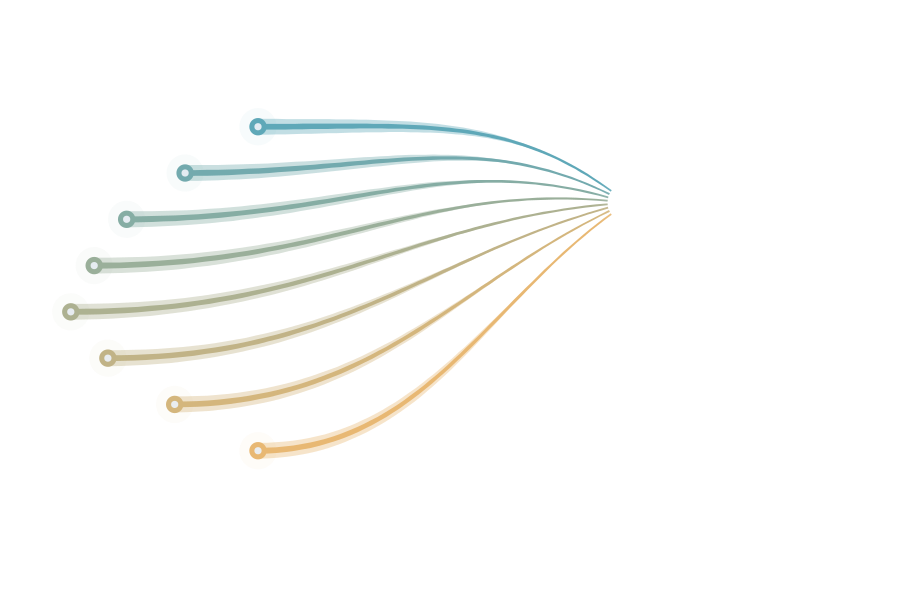
Three assumptions, eight illustrative cases. The same villa scheme returns between 54% and 146% to its investors, depending on the build cost, the sale prices and the mix. None of these cases includes a delay, unsold villas or an overrun beyond 25%, so the real range is wider.

Know what the return
depends on.

Each fork is an assumption the proposal needs to support with evidence. We test them before the capital moves.

Public sample model, altered figures. Investor return is development profit over land plus working capital, across the whole project, not an annual figure. Illustrative economics, not a forecast.

Compare the eight cases
The eight outcomes, from the public sample model (altered figures)
Build costSale pricesVilla mixInvestor return
The quote, $700 per m²High band3- and 4-bed145.8%
The quote, $700 per m²High bandAll 3-bed136.0%
The quote, $700 per m²Low band3- and 4-bed80.4%
The quote, $700 per m²Low bandAll 3-bed75.5%
25% over, $875 per m²High band3- and 4-bed125.1%
25% over, $875 per m²High bandAll 3-bed114.1%
25% over, $875 per m²Low band3- and 4-bed59.6%
25% over, $875 per m²Low bandAll 3-bed53.6%

The independent version,
before you commit.

A decision to invest is usually made on someone else’s numbers. We build the version that answers to you.

Deal model and scenario testing

A model you can underwrite on.

A transparent model built from disclosed, dated inputs: the cost build-up, the funding and the developer’s or seller’s assumptions, tested under the cases you set. It is not a valuation, a recommendation or a forecast.

Evidence review

The evidence behind the story.

A review of specified operational and financial evidence on a target, identifying unsupported assumptions, inconsistencies and gaps. We do not recommend whether to transact.

Owner reporting

What you hold, once invested.

Source-linked management information, with variances and missing support flagged, so an owner who is not on site can see what they hold.

The scope of our role

Clear about what
we do, and don’t.

We provide modelling and decision support, not regulated investment advice, valuations or a recommendation to transact. Title, tax, permits and technical inspection stay with the relevant specialists. On a buyer-side engagement we act for the paying buyer and disclose relevant relationships before starting.

Grounded in the work.

Our founder project-managed the delivery of a hotel, restaurant and spa in Lombok, seventeen months from breaking ground to opening, with the cost model, contractor payments and investor reporting run directly. That is the discipline we bring to a proposal.

The experience behind Fybr

A few things
to know.

I am investing in a property, not running one. Can you help?

Yes. We build the independent numbers and review the operating and financial evidence a buyer relies on, and can report on what you hold once invested. Specialist matters such as title, tax and technical inspection stay with the relevant advisers.

You run hotels for other owners. How do you stay independent?

Our founder’s management company runs a hotel group, so conflicts are checked before engagement. We decline work within the group’s competitive set, act only for the paying buyer and disclose relevant relationships before starting.

What does an engagement cost?

It depends on the work, the project and the state of the inputs. We confirm the scope, fee, deliverables and timing in writing before anything starts.

Can this start before an offer?

Yes. A first pass on the proposal’s numbers shows which assumptions the return depends on, before you spend on full diligence. If the project is already under way, Development covers the model, the controls through the build and the opening.

Let’s join
the right dots.

Send us the proposal. We’ll show which assumptions the return depends on, and confirm scope and fee in writing before any work.

A short brief first. Scope and fees agreed before work begins.